
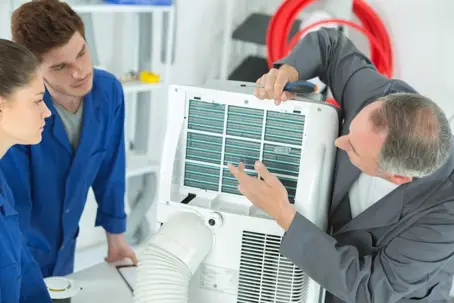
Your HVAC system works quietly in the background of your daily life, keeping your home comfortable through sweltering summers and frigid winters. Like any mechanical system, however, it won’t last forever. Knowing when to replace rather than repair your heating and cooling equipment represents one of the most important decisions homeowners face regarding their property. The choice between investing in repairs or committing to a full replacement involves considering multiple factors, from system age and performance to energy efficiency and long-term costs. Understanding the signs that indicate replacement time helps you make informed decisions before an emergency breakdown forces your hand.
Recognizing the Age Factor
Age plays a significant role in determining whether your HVAC system has reached the end of its practical life. Like cars, appliances, or any mechanical equipment, heating and cooling systems experience wear over time that gradually diminishes their performance and reliability. While proper maintenance extends system lifespan, even well-maintained units eventually reach a point where replacement makes more sense than continued repairs.
The age of your system interacts with other factors to paint a complete picture of its remaining viability. A newer system experiencing frequent problems might have installation issues or manufacturing defects, while an older system running smoothly might still have useful life remaining. However, as systems age, the calculus shifts toward replacement even when current performance seems acceptable, particularly as newer, more efficient options become available.
Consider also that HVAC technology advances continuously. Systems installed years ago lack the efficiency features and smart controls that modern units offer. This technological gap means older systems cost more to operate even when functioning properly, making replacement increasingly attractive as the efficiency disparity grows.
Escalating Repair Frequency and Costs
One of the clearest indicators that replacement time approaches involves the frequency and cost of repairs. Every system needs occasional maintenance and minor repairs throughout its lifetime. However, when you find yourself calling for service repeatedly within short timeframes, the system is communicating that it’s struggling to maintain reliable operation.
The nature of required repairs also matters. Minor fixes like replacing filters, cleaning components, or adjusting settings differ significantly from major repairs involving compressors, heat exchangers, or other critical components. When major system components begin failing, especially multiple failures within a relatively short period, the writing is on the wall regarding overall system condition.
Financial considerations enter the equation when evaluating repair costs against replacement investment. A general principle suggests comparing the cost of proposed repairs against the replacement cost of the entire system. When a single repair approaches a significant percentage of replacement cost, particularly for an aging system, replacement often represents the wiser long-term investment. This calculation becomes even more compelling when you consider that paying for expensive repairs doesn’t guarantee that additional failures won’t occur soon after.
Comfort and Performance Issues
Your HVAC system exists to maintain comfortable indoor temperatures throughout your home. When it can no longer accomplish this fundamental task effectively, replacement considerations naturally arise. Inconsistent temperatures between rooms, inability to reach desired temperature settings, or excessive runtime to achieve minimal results all indicate declining system capability.
Comfort issues sometimes stem from improper system sizing rather than equipment failure. Homes that have undergone additions or renovations might have HVAC systems no longer appropriately sized for the conditioned space. In these situations, even a relatively newer system might require replacement with properly sized equipment to achieve satisfactory performance.
Air quality represents another comfort-related consideration. Older systems may struggle to maintain proper humidity levels or adequately filter indoor air. Modern HVAC equipment offers improved air quality features that can make meaningful differences for household health and comfort, particularly for families with respiratory sensitivities or concerns about indoor air pollution.
Rising Energy Costs
Your utility bills provide valuable feedback about HVAC system efficiency. Gradually increasing energy costs despite similar usage patterns suggest declining system efficiency. While some increase might reflect rising utility rates, significant jumps in heating or cooling costs often indicate equipment struggling to maintain performance.
Comparing your energy costs to similar homes in your area offers perspective on whether your HVAC system operates efficiently. Substantially higher costs for comparable square footage and usage patterns suggest your system works harder to achieve the same results that more efficient units accomplish easily. Modern high-efficiency systems can dramatically reduce operating costs compared to older equipment, making replacement an investment that pays dividends through reduced monthly bills.
The relationship between system efficiency and environmental impact also deserves consideration. Less efficient systems consume more energy, increasing both your utility costs and your household’s carbon footprint. Upgrading to modern, efficient equipment aligns with environmental responsibility while delivering personal financial benefits through reduced energy consumption.
Strange Noises and Unusual Behaviors
HVAC systems communicate their condition through the sounds they make during operation. Normal operating sounds become familiar over time, making unusual noises immediately noticeable. Grinding, squealing, banging, or rattling sounds indicate mechanical problems that require attention. While some noises result from issues addressable through AC repair, persistent or worsening sounds often signal deeper problems suggesting the system approaches the end of its useful life.
Unusual cycling behavior also indicates potential problems. Systems that cycle on and off too frequently, run continuously without achieving desired temperatures, or struggle to start properly demonstrate operational difficulties that merit professional evaluation. These behaviors often reflect failing components or declining overall system integrity.
Unpleasant odors emanating from your HVAC system warrant immediate attention for both comfort and safety reasons. Musty smells might indicate mold growth within the system, while burning odors could signal electrical problems or overheating components. Persistent odor issues, particularly when combined with other performance problems, add weight to the replacement consideration.
Refrigerant and Environmental Considerations
Refrigerant type affects both system operation and replacement decisions. Older systems using refrigerants being phased out due to environmental concerns, face increasingly expensive and difficult servicing. When these older refrigerants become unavailable or prohibitively expensive, system replacement becomes necessary regardless of other factors.
Even when refrigerant remains available, systems requiring frequent refrigerant recharging indicate leaks or other problems that compromise efficiency and performance. Refrigerant doesn’t simply get used up during normal operation, so the need for regular additions signals underlying issues. Addressing chronic refrigerant problems through system replacement often proves more cost-effective than repeatedly patching an ailing system.
Making the Replacement Decision
Several factors combine to indicate when replacement time has arrived. Systems exhibiting multiple warning signs simultaneously present the strongest case for replacement rather than continued repair attempts. An aging system requiring expensive repairs while delivering poor comfort and driving high energy bills clearly signals that replacement offers better value.
Financial planning for HVAC replacement allows you to choose timing that works for your budget rather than facing emergency replacement during the peak of heating or cooling season when demand is highest and availability is tightest. Proactive replacement based on recognized warning signs gives you control over the process, allowing time for research, multiple quotes, and thoughtful decision-making.
Modern HVAC systems offer compelling advantages beyond simply replacing failed equipment. Improved efficiency, better comfort control, quieter operation, enhanced air quality features, and smart home integration capabilities mean replacement delivers improvements across multiple dimensions rather than simply restoring previous functionality.
Moving Forward With Confidence
Recognizing when your HVAC system has reached replacement time empowers you to act proactively rather than reactively. Understanding the various indicators, from age and repair frequency to performance issues and rising costs, helps you make informed decisions that serve your comfort, financial, and practical interests.
Working with experienced HVAC professionals ensures your replacement decision receives proper evaluation and that any new system installation meets the highest standards for performance and longevity. Quality installation proves just as important as quality equipment in achieving the comfort, efficiency, and reliability you deserve from your investment.
Whether your system already exhibits clear replacement indicators or you’re simply planning for eventual replacement needs, professional guidance helps you navigate the options and make choices aligned with your home’s specific requirements and your household’s preferences.
If you’re experiencing HVAC issues or wondering whether replacement time has arrived for your system, we invite you to contact our team for expert evaluation and guidance tailored to your specific situation and needs.
Frequently Asked Questions
Can upgrading to a two-stage or variable-speed system make a noticeable difference in comfort?
Advanced systems with multiple stages or variable-speed operation offer enhanced comfort through more precise temperature control and reduced temperature swings. These systems adjust output to match demand rather than simply cycling on and off, creating more consistent indoor conditions.
How does proper sizing affect new HVAC system performance?
Correctly sizing replacement equipment to your home’s specific heating and cooling requirements ensures optimal performance, efficiency, and longevity. Both oversized and undersized systems create problems, making professional load calculations essential during the replacement process.
Can smart thermostats work with older HVAC systems or only with new replacements?
Many smart thermostats can integrate with existing HVAC systems, depending on the wiring and system type. However, replacement with new equipment sometimes offers opportunities for better integration and access to advanced features that older systems cannot support.